


Water Testing Laboratory in Dubai
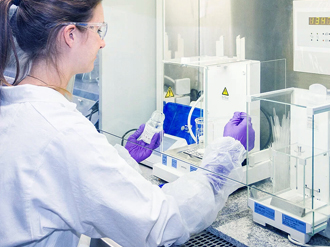
Safeguarding Public Health: How Our Water Testing Laboratory Protects Dubai’s Residents Water and Wastewater Testing Laboratory in Dubai Welcome to…







Working with such a professional and dedicated team is an experience to experience. We are highly satisfied with the service provided by GHP Team..

Quality service is what defines GHP Group. We are very happy to be associated with this highly qualified team in Food Safety Management.

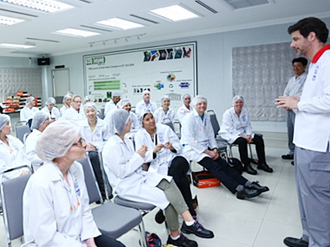
We are thankful to GHP and team for providing such effective training to our staff. They are now well aware of safety and hygiene in work area and in personal life too. Thank you once again GHP.

Thank You GHP Team for such a class service. Our staffs are now well trained and educated about food hygieene and safe conduct. All credit goes to GHP Group.

Safeguarding Public Health: How Our Water Testing Laboratory Protects Dubai’s Residents Water and Wastewater Testing Laboratory in Dubai Welcome to…
HACCP Training in Dubai HACCP Training with GHP, Dubai Hazard Analysis and Critical Control Points (HACCP) is not just…

Catering rooms are extremely hot, congested, and demanding settings. A commercial kitchen is fraught with hazards such as gas, flammable…