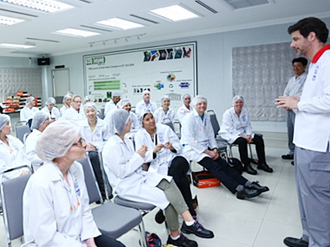
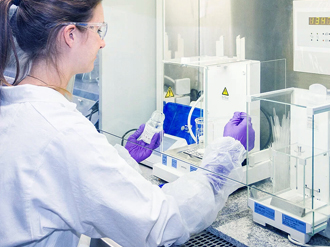
The basic food hygiene training is a computer based Power Point presentation with set in videos.
It takes six to eight hours duration; which includes two coffee breaks (15 minutes), a lunch break (30 minutes) and Examination hour (30 minutes).
The maximum number of attendees should not exceed 25 nos. in each session.
End of the session, the course material handouts are distributed to all attendees.
GHP QUALITY CONSULTANTS is guaranteed the value for money.
Course Curriculum
1. Introduction
Introduction about food hygiene
What is food poisoning
Relation between food hygiene and food poisoning
Cause of food poisoning
Incidence of food poisoning
Management role of food hygiene in avoiding food poisoning
Good food hygiene benefits
2. Microbiology
What is Bacteria
Pathogenic and non pathogenic Bacteria
Bacterial multiplication
Factors influencing Bacterial multiplication
Spore formation
Toxin production
Microbes in food
Other micro-organisms (Viruses, Yeasts, molds and parasites )
3. Food poisoning and food-borne illness
What is food poisoning and food-borne illness’
Symptoms of food poisoning
Bacterial Intoxication
Bacterial Infections
Chemical Food-borne Illnesses
Parasites
Viruses
4. Food Contamination and its Prevention
What is contamination and Cross-contamination
Contamination by micro-organisms
Vehicles and Routes of Bacterial contamination
Physical Contamination
Chemical Contamination
Control measures for preventing chemical, physical and biological contamination.
The role of temperature control
5. The Storage and Temperature Control of Food
Correct storage of food items
Dry, Chill and Frozen Storages
Food Temperature control (Receiving, Handling and storage, Thawing, Cooking, Cooling, Re-heating, Hot / Cold holding, Service / Display / Transportation )
6. Purchase to service
Possible hazards and the controls measures for all stages of food handling (purchase, receiving, storage, thawing, preparation, preparation, cooking, cooling, reheating and service)
Inspection or delivery checks
Hygienic food handling
7. Food spoilage and preservation
Signs and symptoms of food spoilage and how it can be prevented
Food preservation methods (Temperature controls, dehydration / moisture control, use of chemicals and use of physical methods)
8. Personal hygiene
Employee health
Hygiene and Personal cleanliness
Hand washing and Sanitizing
Disease control
Education and Training
Supervision
9. Pest Control
The basics of Pest Control
Signs of pest infestation
Preventing entry of Rodents and Insects
Reasons for Pest Control
Systematic prevention of pests’ entry.
10. Equipment and Utensils for food handling
The equipment design and construction
Equipment cleaning and sanitation procedures
11. Principles of Cleaning and Sanitizing
Detergents (Alkaline, Acid detergents)
Sanitizers (chemical sanitizer, recommended concentrations and contact time)
The importance Cleaning and Sanitizing
Acceptable methods of cleaning and sanitizing
|